
Two partners. One hunt. Be prepared for both.
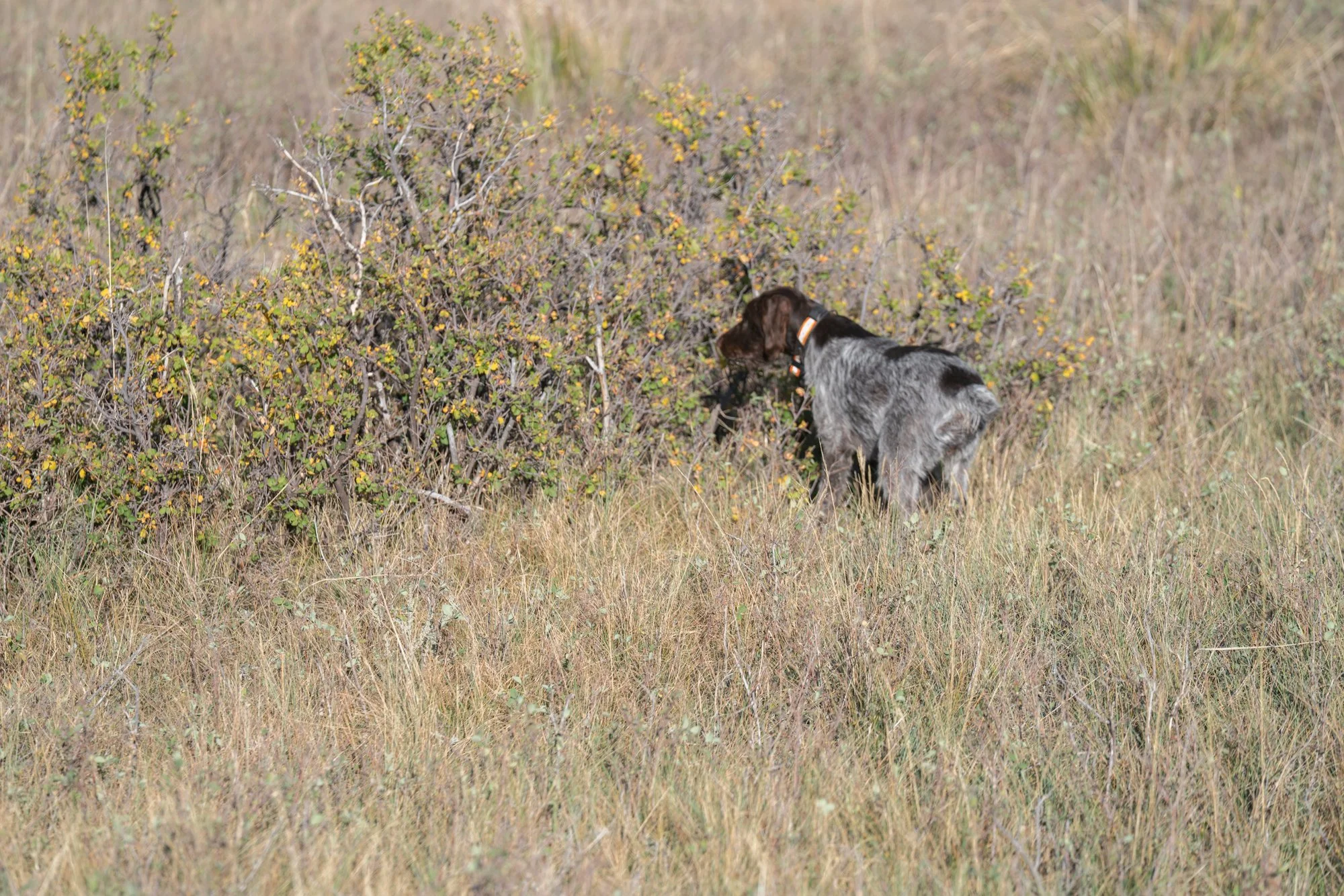
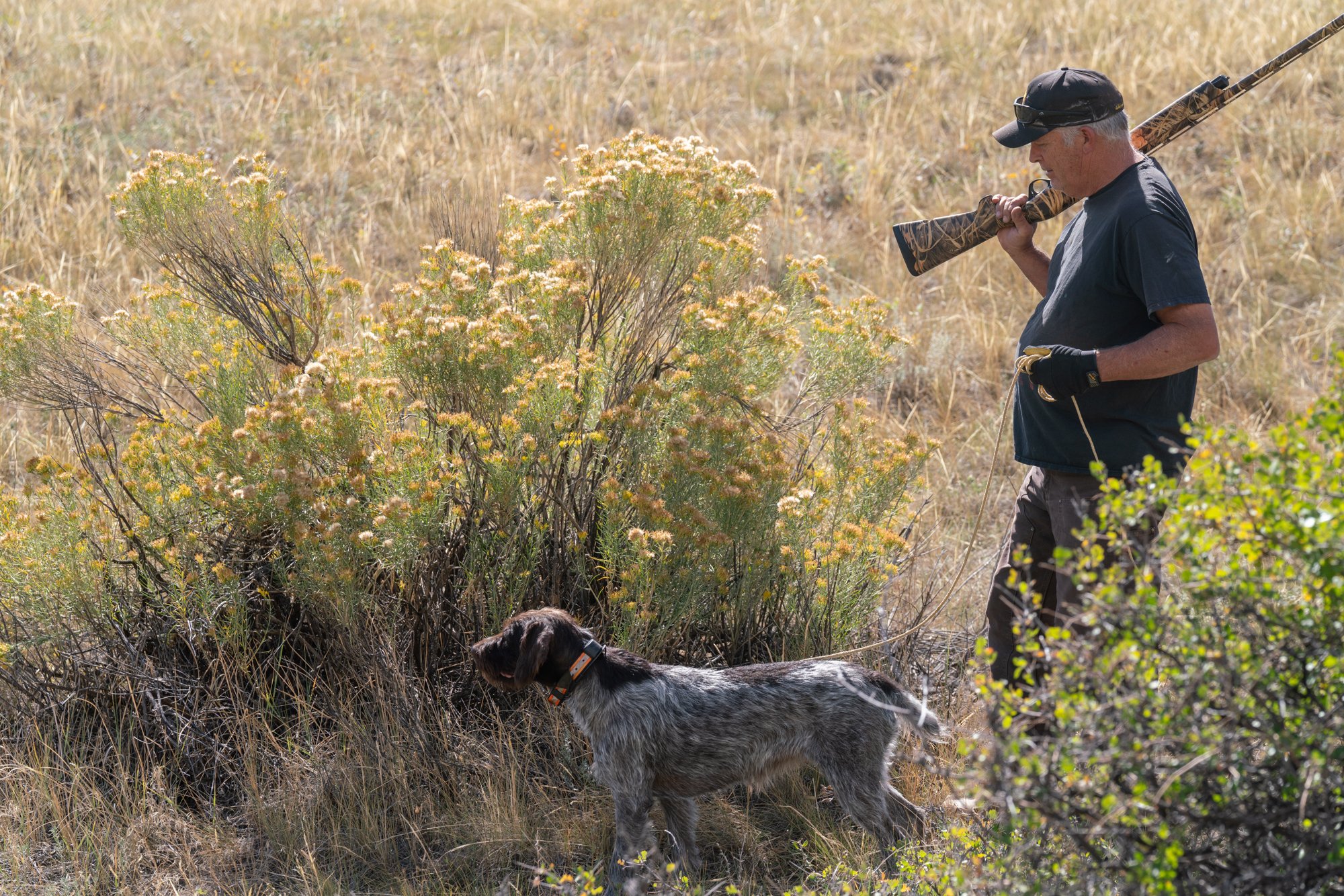
A successful hunt isn't just about the birds you bring home. It's about making sure everyone returns safely—including your four-legged hunting partner.
From barbed-wire fences and rough terrain to extreme temperatures, snakebites, and unexpected injuries, the field presents risks for both hunters and their dogs.
And when you're miles from the truck with limited cell service, being prepared can make all the difference.
A well-stocked first-aid kit should be just as essential as your hunting vest, shotgun, and water.
What Should Be in Your First-Aid Kit?
We recommend carrying a compact kit in your hunting vest and keeping a more complete emergency kit in your vehicle.
Essentials for Both Hunter and Dog
Sterile gauze pads and rolled gauze
Nonstick wound dressings and medical tape
Saline wound and eye rinse
Blunt-tip scissors and tweezers
Disposable gloves
Emergency thermal blanket
Flashlight or headlamp
Extra drinking water
Emergency contact information
Additional Supplies for the Hunter
Commercial tourniquet for life-threatening limb bleeding
Hemostatic gauze and pressure bandages
Adhesive bandages and blister protection
Antiseptic wipes for minor wounds
Personal medications
Emergency whistle or satellite SOS communicator
Know how to use your equipment. A Stop the Bleed course is excellent preparation for serious injuries in remote areas.
Additional Supplies for Your Hunting Dog
Self-adhering veterinary wrap
Protective dog boots for injured paws
Digital pet thermometer
Spare leash or slip lead
Clean towel for restraint or transport
Properly fitted basket muzzle for appropriate situations
Any medications specifically prescribed by your veterinarian
Never give your dog human pain medication without veterinary approval.
Common medications can be toxic to dogs.
Five Field Emergencies Every Hunter Should Recognize
1. Cuts, Punctures, and Bleeding
Barbed wire, sharp branches, broken glass, and rough terrain can cause serious injuries.
Apply firm, direct pressure to bleeding wounds. Severe bleeding, deep punctures, and embedded objects require immediate professional care.
For life-threatening bleeding from a person's arm or leg, a properly applied commercial tourniquet can save a life. Know how to use one before you need it.
2. Paw Injuries, Sprains, and Falls
Hunting dogs are incredibly determined and may continue working despite an injury.
Watch for limping, excessive paw licking, bleeding, or reluctance to bear weight.
Hunters should also be mindful of ankle injuries and falls on uneven ground. Stop the hunt when an injury could worsen with continued activity.
3. Heatstroke and Hypothermia
Weather conditions can change quickly, and both hunters and dogs are vulnerable.
Excessive panting, weakness, confusion, or collapse may indicate overheating. Stop activity immediately, move to a cooler location, begin appropriate cooling, and arrange emergency care.
For an overheated dog, use cool, not ice-cold, water and airflow.
Persistent shivering, poor coordination, and unusual lethargy may indicate dangerous cold exposure. Move to shelter, replace wet coverings, begin gentle warming, and seek professional help.
4. Snakebites and Wildlife Encounters
Rattlesnakes are a particular concern in many Western hunting areas.
If you or your dog is bitten, remain as calm as possible, limit movement, and seek emergency medical or veterinary care.
Never attempt to cut the wound, remove venom, apply ice, or use a tourniquet for a snakebite.
5. Bloat: A Serious Emergency for Dogs
Large, deep-chested dogs can be susceptible to gastric dilatation-volvulus (GDV), commonly called bloat.
Warning signs include unproductive attempts to vomit, a swollen abdomen, restlessness, and weakness.
Suspected bloat requires immediate veterinary attention. Do not wait for symptoms to improve.
Before Heading into the Field
A little preparation goes a long way.
Check your first-aid supplies before every hunt.
Know the location of the nearest emergency veterinarian and medical facility.
Save offline maps and emergency contacts.
Tell someone where you're hunting and when you expect to return.
Carry enough water and plan rest periods.
Have a plan for transporting an injured person or dog.
Take a few minutes after each hunt to inspect your dog's paws, ears, eyes, and body. Sometimes the injuries we don't immediately see are the ones that need attention.
First aid is intended to provide temporary assistance until professional care is available, not replace it.
Bring Everyone Home Safely
Our hunting dogs give us their determination, loyalty, and willingness to work. In return, we owe them responsible care and preparation.
At Devenney Ranch Gun Dog, we believe a successful hunt isn't measured only by birds in the bag. It's measured by the experiences shared and bringing every member of the hunting party home safely.
Pack for the hunt. Prepare for the unexpected. Bring everyone home.
Devenney Ranch Gun Dog — Developing capable hunting dogs and responsible handlers.
Devenney Ranch Gun Dog
Northern Colorado
Field-developed. Ranch-raised. Ready to hunt.
Talk to us about your dog. 970-389-6154