
How to Be the “Alpha” of Your Dog: Clear Expectations, Consistency, and Respect
Your dog ignores a recall, blows through the door, or loses his head in the field—and somebody tells you to “be the alpha.”
That advice comes from an outdated dominance model. You don’t need to overpower, intimidate, or outrank your dog to get reliable behavior. You need to teach him what you expect, hold him to those expectations, and give him a fair chance to succeed.
That’s what real leadership looks like with a dog. Clear direction. Consistent rules. Good timing. Trust built through repetition.
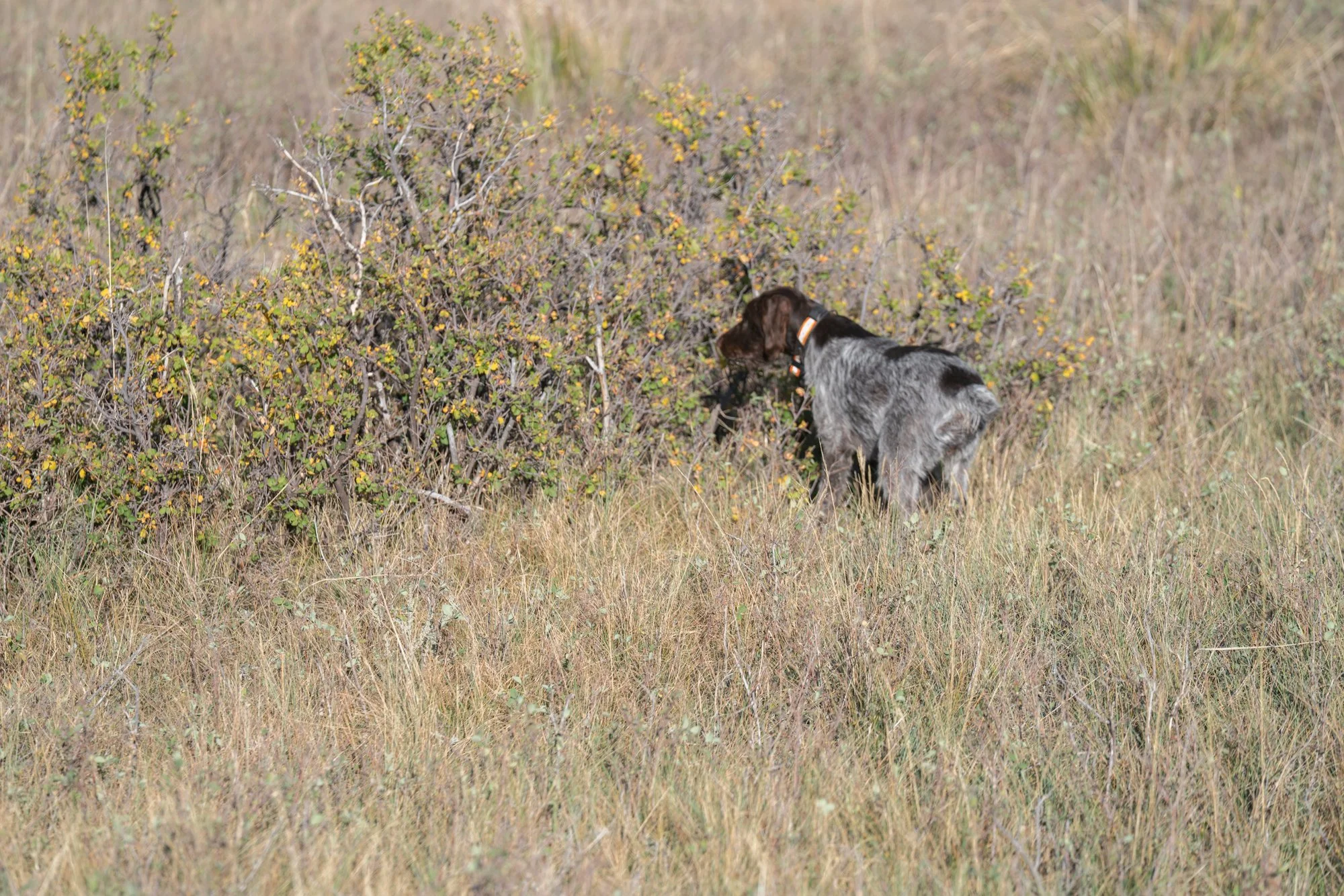
Teach What You Expect
Give your dog specific behaviors to perform instead of vague rules like “behave.”
Practice skills such as:
Wait at the door until released.
Keep four paws on the ground when greeting people.
Settle on a designated place.
Come when called.
Walk on a loose leash.
Keep training sessions short and productive. Reward the behavior you want to see again.
A dog can’t reliably follow a rule he hasn’t been taught. He also can’t make sense of rules that change depending on your mood, the day, or who happens to be holding the leash.
Be Predictable
Your dog should not have to guess what the rules are.
Use the same cues. Keep household expectations consistent. Reward good decisions when you see them.
If jumping earns attention one day but correction the next, your dog gets a confusing message. If he is allowed to pull toward birds in one situation but expected to walk politely in another, you need to teach him the difference.
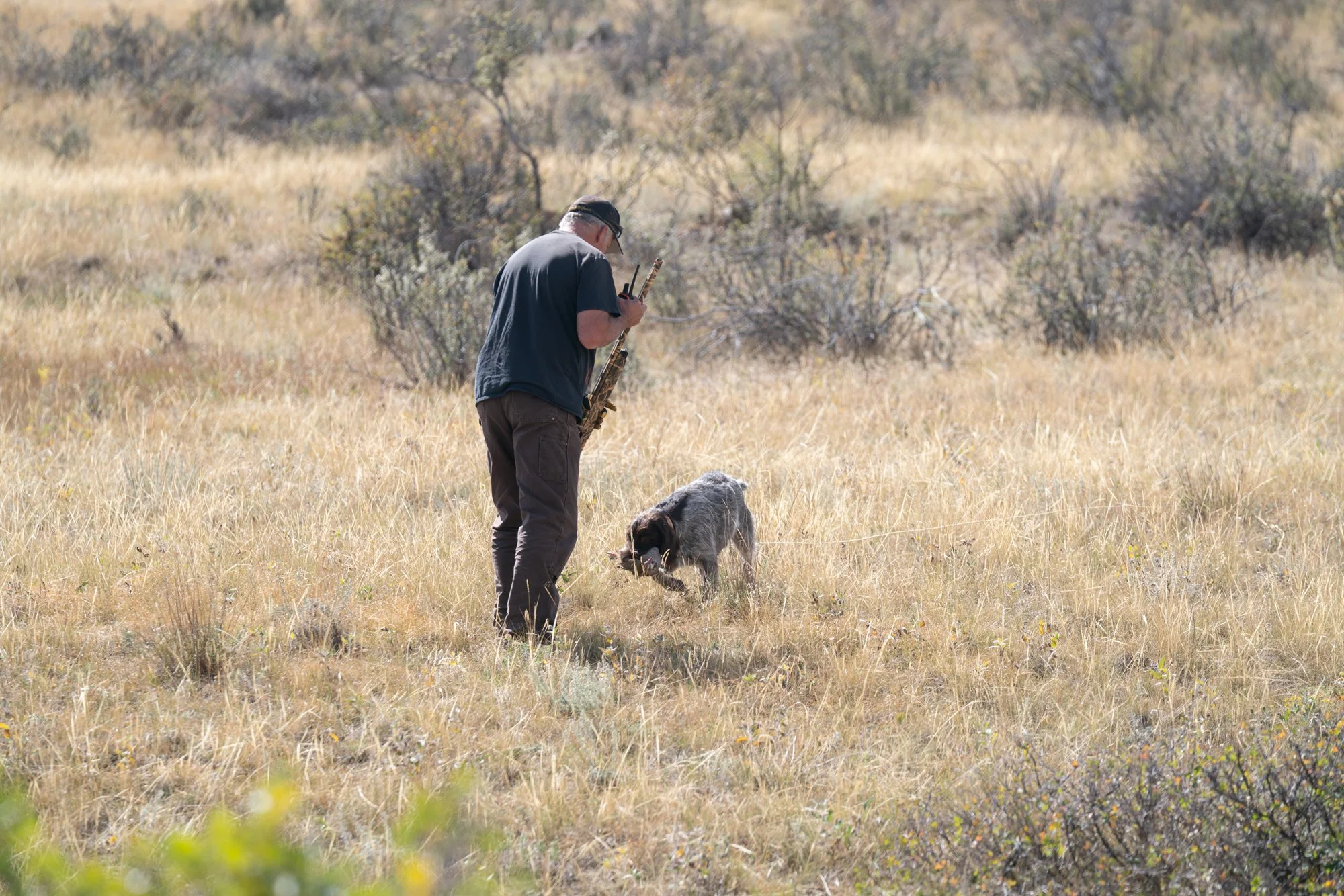
Be Clear, Not Loud
One clear cue is better than a string of commands shouted over frustration.
Repeating “Sit!” louder and louder rarely solves the problem. Get your dog’s attention, give the cue once, and give him a moment to respond.
If he struggles, make the exercise easier. Reduce the distractions. Shorten the distance. Go back to a version of the skill he understands.
Following through does not mean escalating until your dog gives in. It means staying with the lesson and helping him complete something he can handle.
Practice in Everyday Situations
Training is not limited to a formal session in the yard.
Ask for a brief wait before opening the door. Reward calm greetings. Reinforce settling on a mat while you eat dinner or work around the house.
Start with easy versions of each exercise. Then add time, distance, and distractions as your dog becomes more reliable.
These everyday repetitions teach your dog that paying attention to you pays off. That lesson matters far beyond the living room.
Build Reliability Gradually
A dog who listens in the kitchen may not be ready to listen around birds, visitors, or other dogs.
That does not automatically mean he is challenging your authority. The situation may simply be harder than the one where you taught the behavior.
Increase difficulty one piece at a time. Add distance, duration, or distraction—but don’t pile all three on at once.
For a gun dog, scent, movement, and anticipation can make a familiar cue much harder to follow. If you want reliability in the field, build toward it deliberately. Give your dog enough practice that responding to you becomes part of the job, even when the excitement starts to build.
Look Beyond “Disrespect”
Before calling your dog stubborn, ask what may be getting in the way.
Does he understand the cue in this setting? Is he distracted, tired, uncomfortable, or worried? Did you move ahead too quickly?
A sudden change in behavior deserves attention, especially when pain or illness could be involved. And growling is information—not a challenge you need to win.
Give your dog space and address the cause with qualified help. Good leadership means paying attention to what your dog is telling you.
Lead With Trust
Set fair boundaries, then give your dog the support he needs to meet them.
You can love your dog and still expect good manners. Affection does not weaken training, and boundaries do not require intimidation.
Teach fairly. Reinforce consistently. Provide the exercise, rest, enrichment, and care your dog needs.
Be the person your dog can trust to give clear direction.
That is the kind of leadership that holds up at home, in training, and in the field.
Need help building dependable habits? Contact Devenney Ranch Gun Dog to discuss your dog’s training goals.
Devenney Ranch Gun Dog
Northern Colorado
Field-developed. Ranch-raised. Ready to hunt.
Talk to us about your dog. 970-389-6154